About me
A practice rooted in movement, culture and living knowledge.
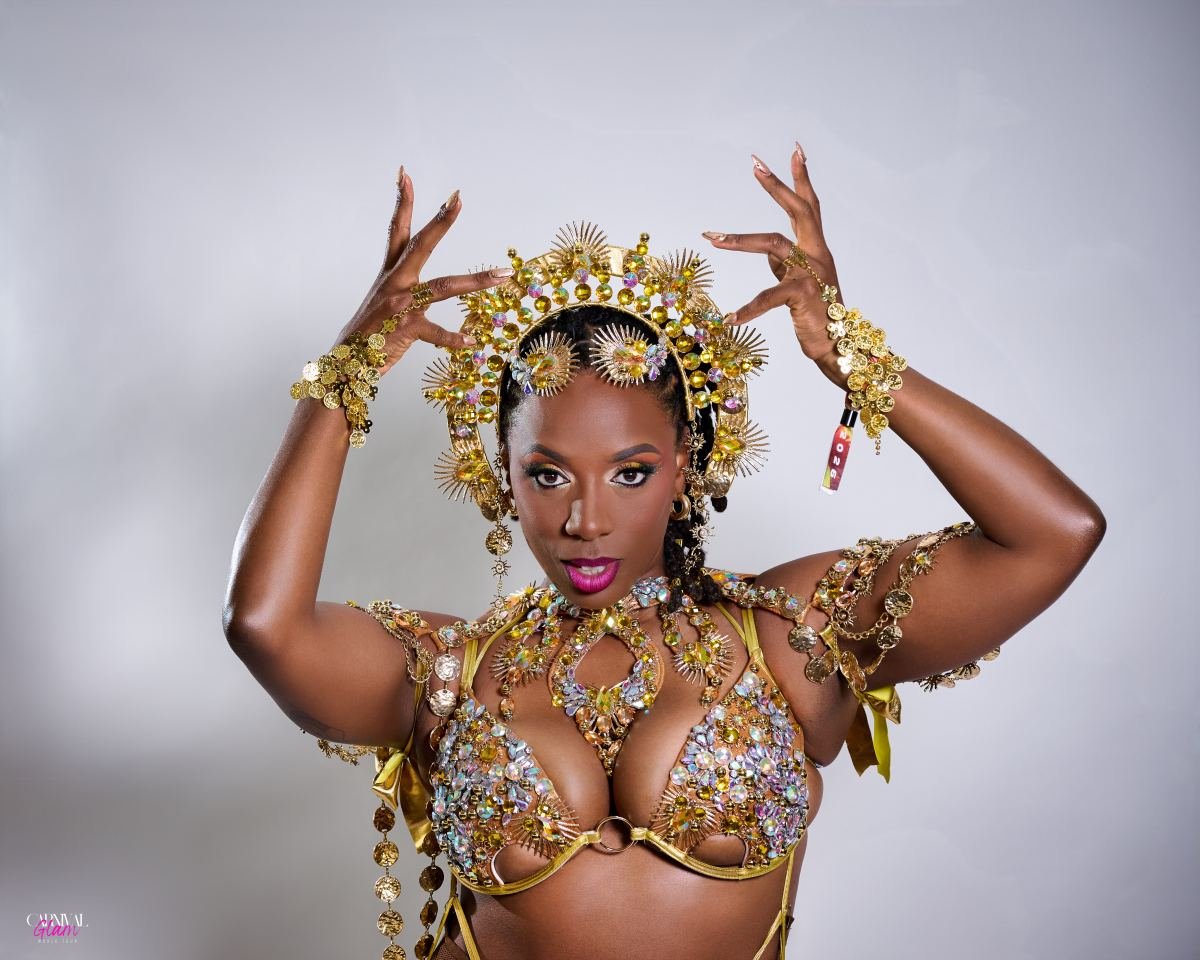
I am a cultural practitioner, choreographer, embodied researcher, educator and artivist working across African and Afro-Caribbean dance, Carnival, Black diasporic cultures and community practice.
For more than 20 years, I have worked across artistic, educational, cultural and community contexts, developing a practice that moves between dance, research, writing, education and cultural production.
My work is grounded in a simple belief:
Movement is not only something we perform.
Movement carries memory.
Movement carries history.
Movement carries knowledge.
I am interested in what becomes possible when we listen to what the body knows, and when cultural practices are approached as living knowledge, rather than simply as artistic forms.
My journey
Where I Come From
My practice has been shaped by years of learning through dance, communities, cultural spaces, travel, research and embodied experience.
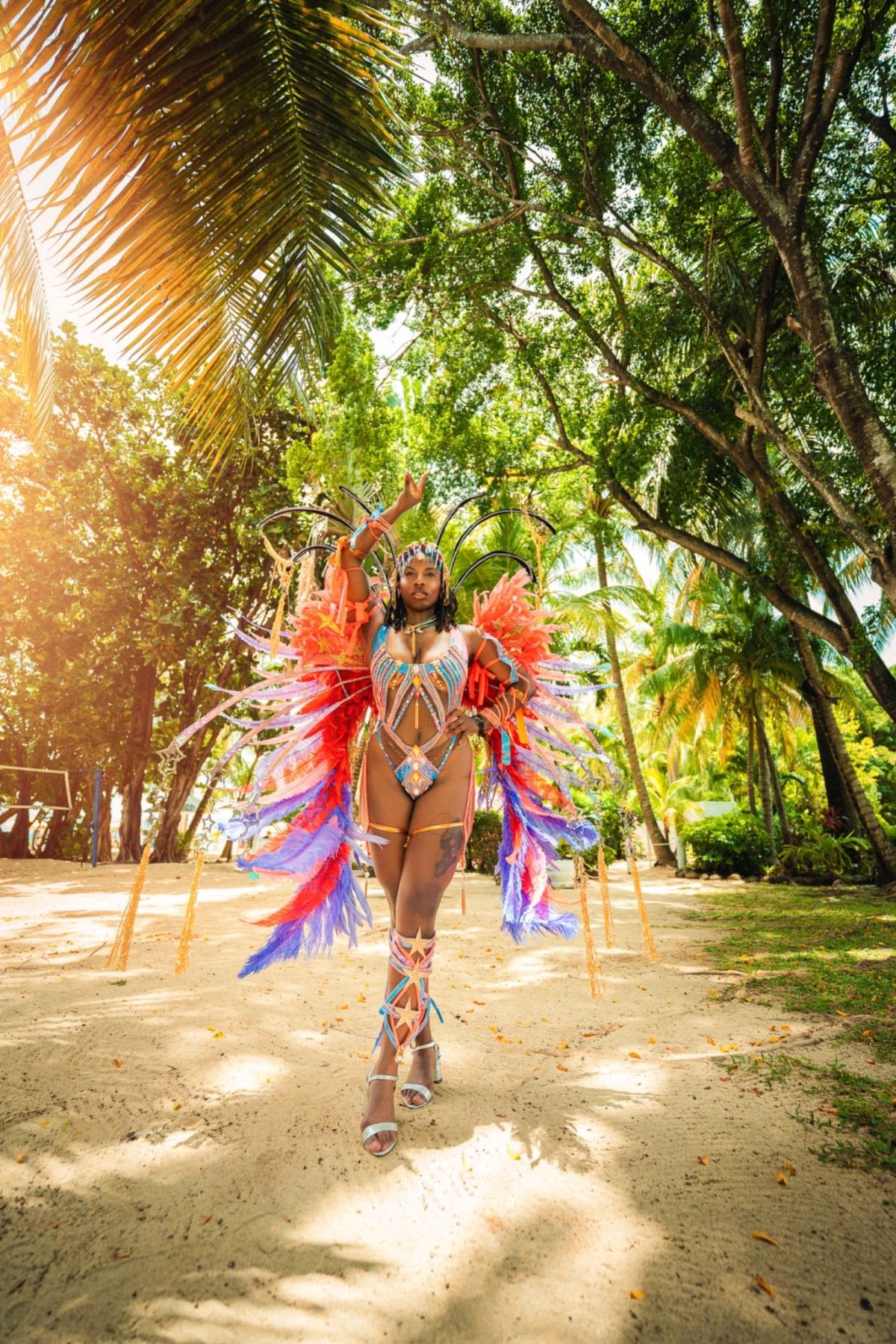
Working across African and Afro-Caribbean dance forms, including Dancehall, Kuduro, Afrohouse, Bèlè, Gwoka, Samba, Soca and Carnival, has taught me to approach dance not simply as technique, but as a way of understanding people, histories, identities and relationships.
My work has taken me across studios, stages, streets, Carnival spaces, classrooms and research environments, allowing me to learn from practitioners, communities and cultural contexts while continually questioning how knowledge is produced, shared and valued.
This movement between spaces is central to my practice.
I do not see a strict separation between artist and researcher, body and mind, practice and theory, or cultural knowledge and contemporary creation.
My Approach
-
Embodied Knowledge
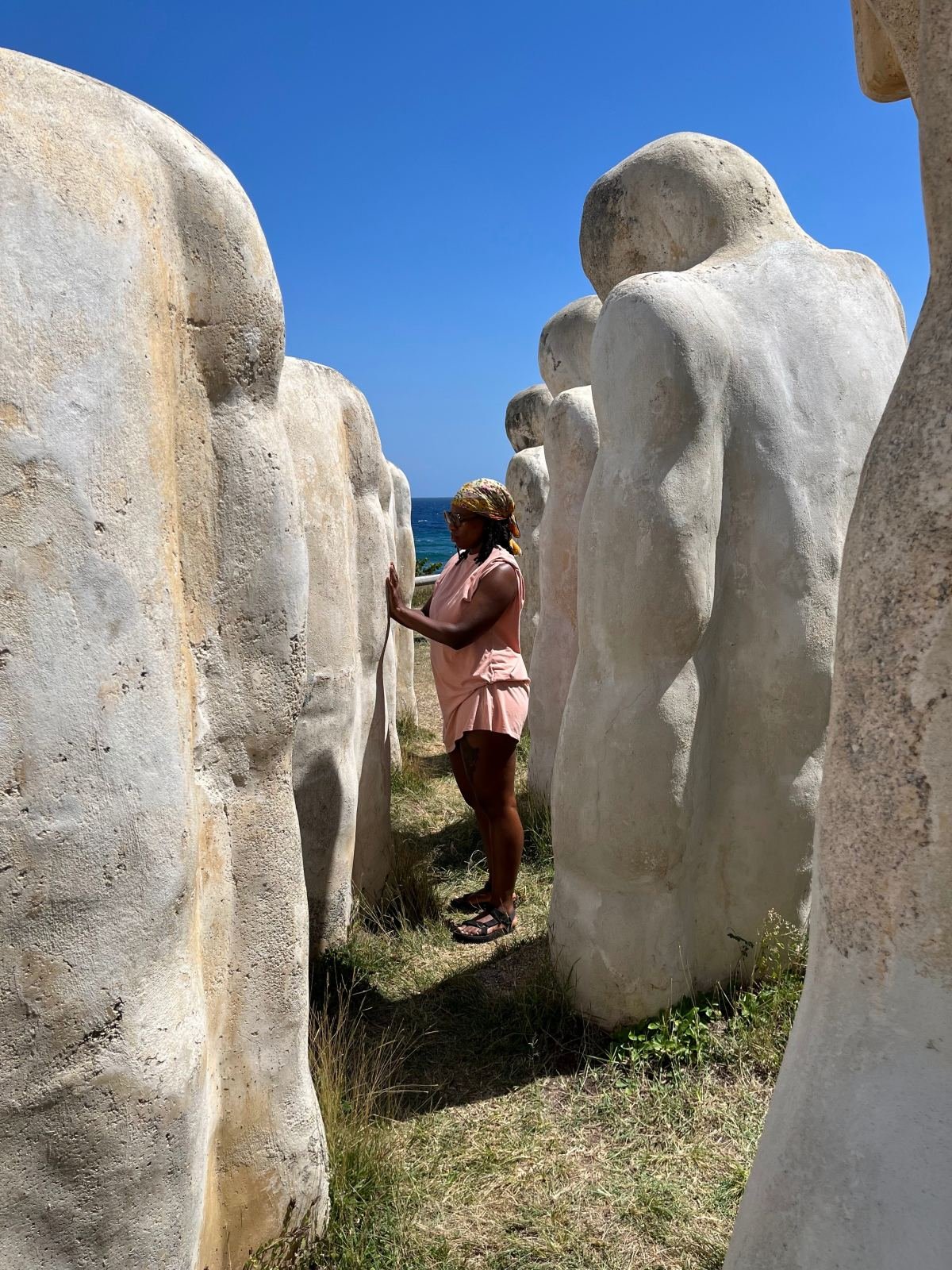
I approach the body as a site of knowledge, memory, history and transformation.
My research often begins through movement: dancing, observing, participating, listening, documenting and reflecting on what emerges through embodied experience.
My understanding of embodiment has also been shaped by my own journey of movement, self-inquiry and personal transformation, which has led me to understand more deeply the relationships between the body, emotions, identity, wellbeing and cultural experience.
This is why my work sits between practice and research, allowing knowledge to be approached not only through written or academic forms, but also through the body and lived experience.
-
The Four Bodies
My approach is informed by a holistic understanding of the physical, emotional, mental and spiritual bodies.
This framework has developed through both my professional practice and my own ongoing work around embodiment and personal development.
Rather than treating these as separate dimensions, I consider how they interact within movement, learning, identity, wellbeing and collective experience.
This informs the way I choreograph, teach, research and facilitate.
-
Cultural Context Matters
I am interested in dance as part of a wider cultural ecosystem.
That means asking:
Where does this movement come from?
Who created it?
What histories does it carry?
What does it mean within its community?
How has it travelled?
Who gets to teach, represent or profit from it?
My work therefore places African and Afro-Caribbean dance within its historical, social, political and cultural contexts, rather than treating it as a collection of movements detached from the people and histories that produced it.
For me, understanding the movement also means understanding the culture, people, histories and systems around it.
-
From Research to Transmission
I believe research should not remain confined to academic or specialist spaces.
I translate research into writing, educational content, workshops, talks, lectures, performances, immersive experiences and other forms of cultural storytelling, creating different ways for people to encounter and engage with knowledge.
This movement between research, creation and transmission is at the heart of my practice.
Bridging Worlds
A central part of my work is creating bridges between spaces that are too often separated:
-
academia and community
-
research and practice
-
the studio and the street
-
history and contemporary culture
-
knowledge and lived experience
I am particularly interested in how cultural knowledge held within Black and Afro-Caribbean communities can be recognised, documented, valued and transmitted without disconnecting it from the people and contexts that sustain it.
My practice creates spaces where different forms of knowledge can meet through movement, conversation, research, education and collective experience.
A Practice in Motion
My work continues to evolve across artistic creation, cultural research, writing, education and cultural production.
Through my research, publications and projects, I am developing ways of making African and Afro-Caribbean cultural knowledge more visible and accessible, while creating stronger connections between cultural practitioners, communities, educational spaces and institutions.
My work includes Dancing Resistance: Afro-Caribbean Bodies & Living Memory, my first book, alongside ongoing research into African and Afro-Caribbean dance, Carnival, cultural memory and embodied knowledge.
I am also continuing to develop my academic and research practice, considering how embodied and community-based knowledge can contribute to wider conversations around Black dance, cultural history and contemporary cultural practice.